Research
My research has grown from simple curiosity into investigation. Each study has helped me understand how questions turn into knowledge and how evidence can lead to better tools for care and innovation.
PancreaSmart
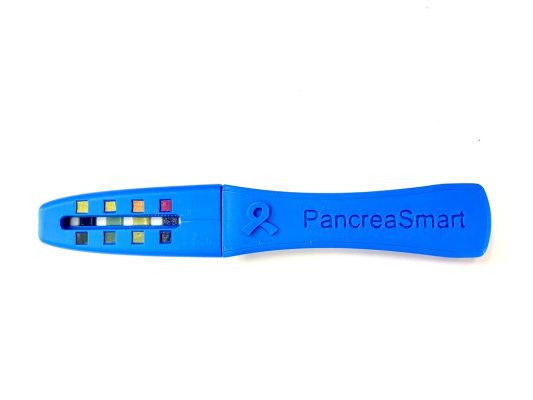
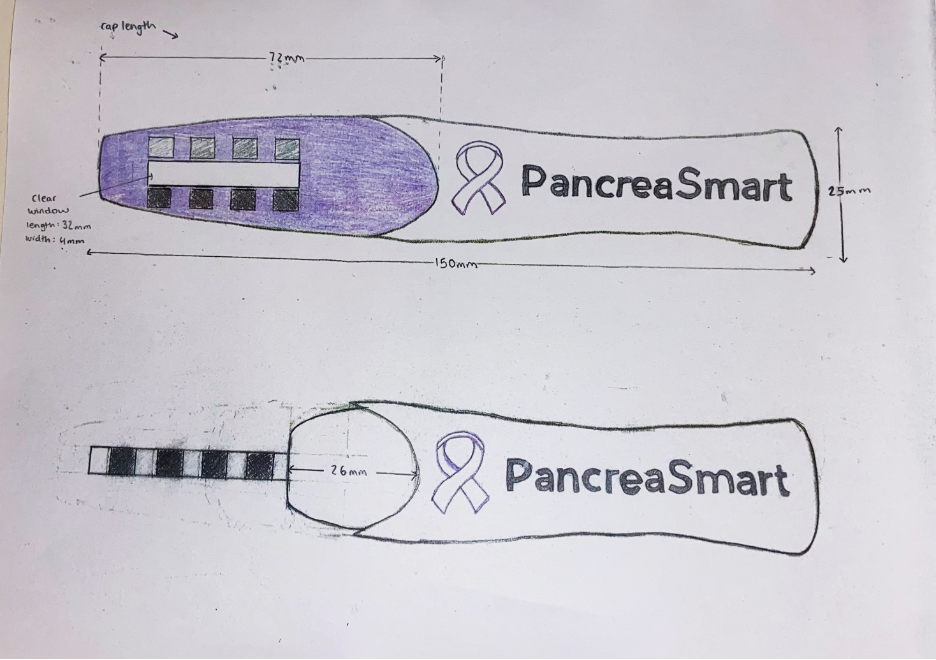
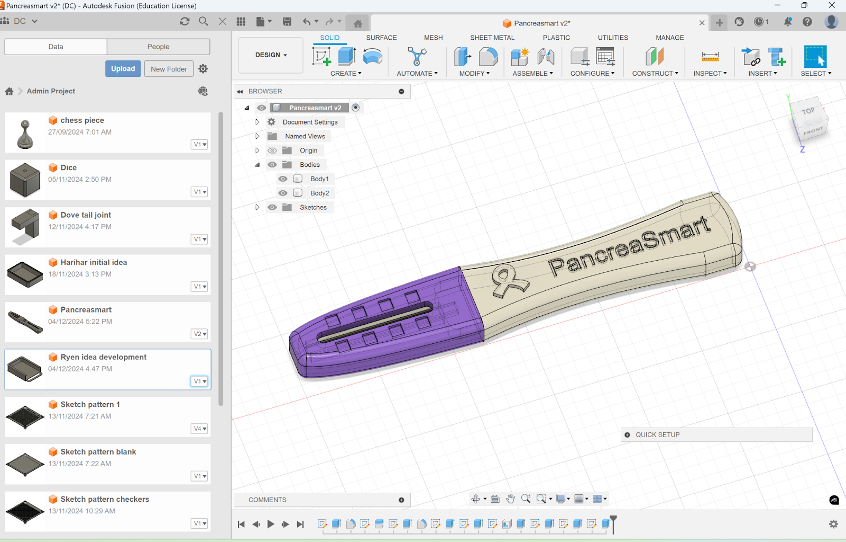
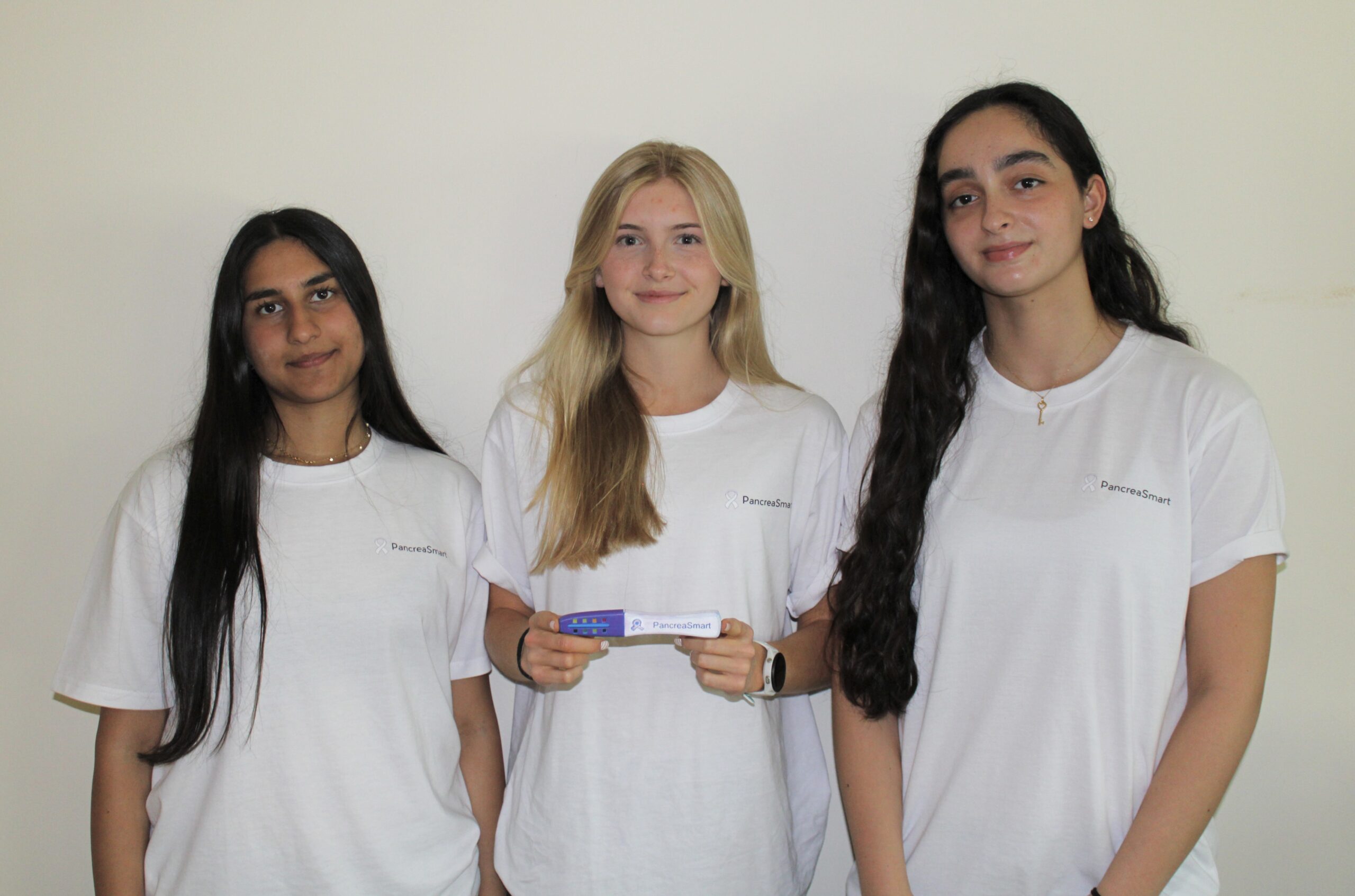
I co-founded PancreaSmart to address one of the most challenging gaps in oncology which is the early detection of pancreatic cancer. The project focuses on developing a non-invasive diagnostic test based on biomarker analysis, designed to identify subtle molecular changes before symptoms progress. My work combined investigative research with the practical development of a prototype, guided by continuous collaboration with mentors and medical advisors.
To strengthen the concept, I examined existing diagnostic models and reviewed studies on how delayed detection affects survival outcomes. Translating these insights into a scalable designed required resilience, as each adjustment influenced accuracy and accessibility.
PancreaSmart is now in the process of securing a patent, as we hope to make the transition from concept to clinical transition. The journey continues to shape how I see innovation, as the pursuit of something that can genuinely change lives.
Visit the PancreaSmart website here: https://pancreasmart.com/
Cancer Genomics Research
This independent research project explored the question “How are EGFR, KRAS, BRCA1 genetic markers associated with treatment response in cancer patients?”. I analyzed a dataset with over seventeen thousand patient records, applying statistical models to identify links between these mutations and patterns of therapeutic outcome. The project required precision in data handling and critical thought in interpreting significance. It strengthened my understanding of how molecular variation can shape medical response, reinforcing my interest in using quantitative analysis to improve cancer diagnostics.

EPQ
My EPQ explores the question “To what extent can studying naturally cancer-resistant species help improve global cancer treatment?”. The project investigates how evolved defence mechanisms in species such as elephants and whales could guide future approaches to human therapy. I reviewed scientiifc literature on genetic mechanims like enhanced apoptosis and DNA repair, and analysed how these defences might inform advances in oncology. The research has given me a clearer understanding of how biological insight can guide progress in human medicine.
Dilated Cardiomyopathy Research
At Brown University, I researched dilated cardiomyopathy, studying how structural changes in the heart affect its function over time. I examined key research on the mechanisms that weaken the heart and reviewed clinical evidence on how early diagnosis can improve long term outcomes. Working with my group, I prepared and delivered a presentation to Brown faculty, refining how I evaluate complex information and express it with precision.
Cystic Fibrosis Research
As part of a Harvard Future Doctors Program, I investigated cystic fibrosis with a focus on how mutations in the CFTR gene alter cellular transport and cause multiple organ complications. I analyzed current studies on emerging therapies and the challenges of long term management. Presenting my group’s findings reinforced how medical understanding develops through continual questioning and close attention to molecular detail.